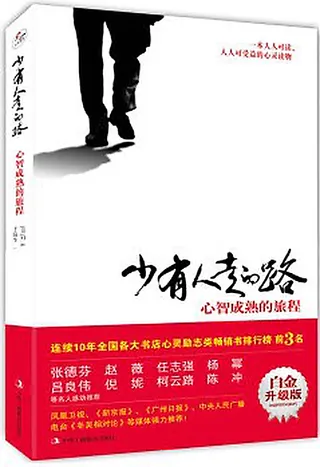
The Road Less Traveled
'Life is difficult.' Facing problems through the four disciplines: delaying gratification, taking responsibility, dedication to reality, and balancing.
The third book from the reading club. A profound and demanding read on psychological and spiritual growth.
1. Overview
The Road Less Traveled: A New Psychology of Love, Traditional Values, and Spiritual Growth by psychiatrist M. Scott Peck is a landmark classic in personal transformation. Opening with the foundational truth that “Life is difficult,” Peck illustrates that spiritual and mental growth is a demanding, lifelong pilgrimage that begins only when we confront our suffering rather than avoid it.
2. Key Quotes & Takeaways
2.1 Confronting Problems & Discipline: Tools for Mental Maturity
- Core: Life is a continuous series of problems. Discipline is the basic set of tools we require to solve life’s problems.
- “Life is a series of problems. Do we want to moan about them or solve them?”
- “Failing to solve problems makes you the problem.”
- The four tools of discipline: delaying gratification, acceptance of responsibility, dedication to truth, and balancing.
- The ultimate rule of balance is “giving up”—letting go of outdated perceptions and habits to cross into the next phase of maturity.
2.2 Genuine Love: The Will to Extend Oneself
- Core: Love is not a fleeting feeling, emotional dependency, or self-sacrifice. It is the will to extend oneself for the purpose of nurturing one’s own or another’s spiritual growth.
- “Love is the will to extend one’s self for the purpose of nurturing one’s own or another’s spiritual growth.”
- Real love respects the independence of the other person; neither partner is an appendage of the other.
- True love involves appropriate confrontation, timely praise, and setting healthy boundaries.
2.3 Spiritual Evolution & Grace
- Entering deeply into one’s spirit is a difficult path—a road less traveled.
- True security comes from fully experiencing and embracing life’s insecurity.
- Courage is not the absence of fear; it is the capacity to act in the presence of fear.
3. Personal Reflections
This book taught me a vital lesson on how I face difficulties:
I used to instinctively run away from problems in work and life, burying my head in the sand like an ostrich, assuming that if I looked away, the problem would cease to exist. But unaddressed issues never vanish—they accumulate and eventually erupt all at once.
As Duan Yongping said: “Never let important things turn into urgent emergencies.” In this prime phase of my life and career, I must confront what matters directly and push critical priorities forward every single day.