
SEO Study Notes - Ahrefs Course (2): SEO Fundamentals
SEO Fundamentals
What Are the Benefits of SEO?
- SEO can drive more traffic to your site
- SEO can deliver consistent, ongoing traffic
- SEO traffic is essentially “free”
How Do You Get Into Google’s Rankings?
- Step one: Submit your sitemap to Google.
- Step two: Create a free Google Search Console account and submit your sitemap.
Initial SEO Setup
SEO is an ongoing process — the longer you do it well, the greater your chances of success over time.
Choose a Good Domain Name
Some attributes of a good domain name: it is your company name, contains no hyphens, and is short and memorable. Try to use a top-level domain such as .com, .org, etc.
Choose a Website Platform
Hosted platforms handle everything in one place. They host your website, offer ready-made designs that are easy to install and customize, and allow you to create and manage content without touching code.
Choose Quality Hosting
- Security: Make sure the hosting provider offers a free SSL/TLS certificate, or supports LetsEncrypt (a nonprofit organization that provides free TLS certificates).
- Server location: Data takes time to travel between the server and visitors, so it is best to choose a server location close to your target audience.
- Technical support: 24/7 support is ideal. Before signing up, test their support reliability by asking questions upfront.
Create a Positive User Experience
- Use HTTPS
- Choose an attractive design
- Keep it mobile-friendly
- Use a readable font size
- Avoid intrusive pop-ups and ads
- Ensure fast loading speeds
Create a Logical Site Structure
Use a Logical URL Structure
If you are building a new website from scratch, it is best to use the clearest, most descriptive structure possible — that means using the article title as the URL slug. Using dates in URLs is also a bad practice, since you may want to update the article in the future. If you are optimizing an existing website, it is generally best not to change the URL structure — even if it is not ideal. Doing so could break other more important things and have an even greater negative impact on your SEO.
Install a Good SEO Plugin
We use Yoast, but Rank Math is also a great option.
How to Do SEO
Keyword Research
- Find keywords
- Evaluate traffic potential
- Assess ranking difficulty
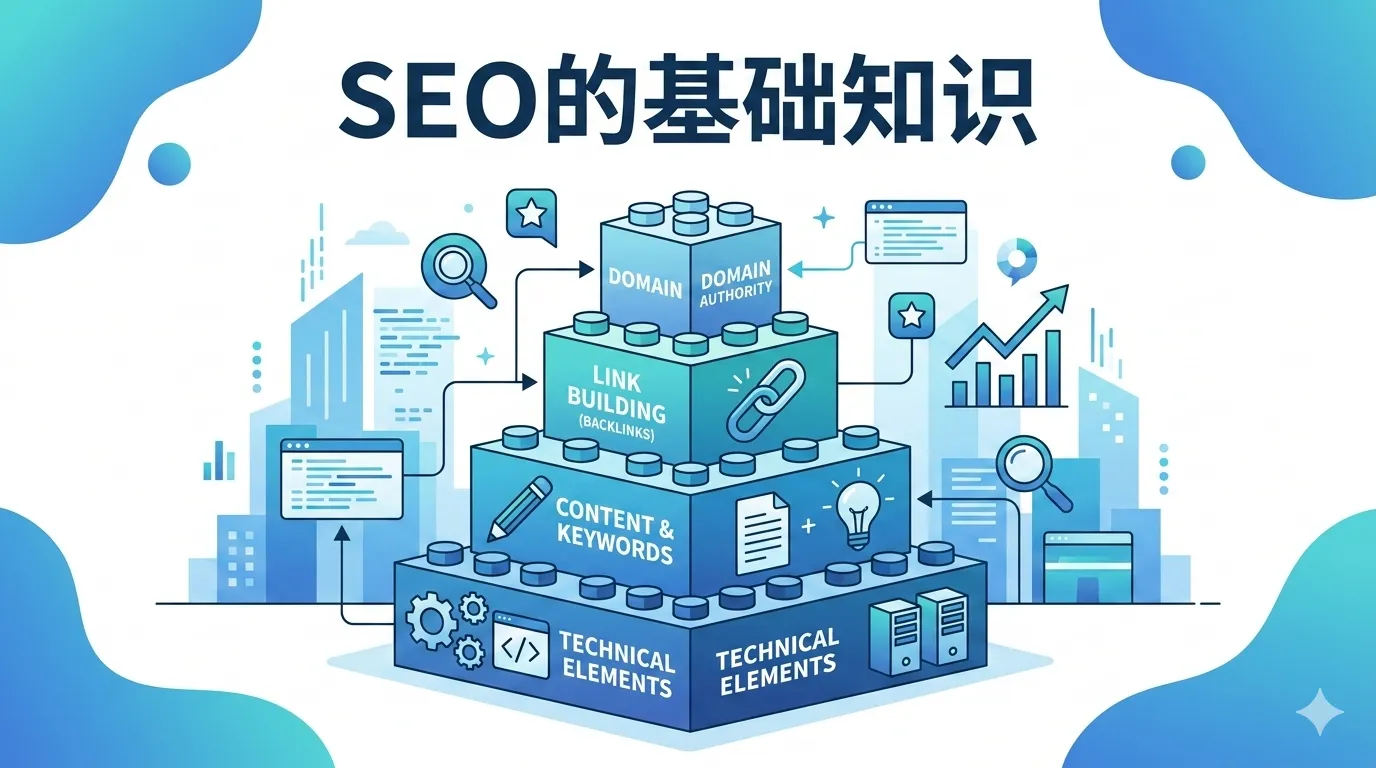
On-Page SEO
On-page SEO involves creating the type of content that users are searching for and “optimizing” it to help search engines better understand what it is about.
- Match search intent
- Choose a descriptive URL slug
- Write compelling title tags
- Optimize images: give them meaningful file names, use descriptive alt text, and compress them
Link Building
- Guest blogging: Write articles for other websites in exchange for backlinks.
- Skyscraper technique: Find relevant content with lots of backlinks, create something even better, then reach out and ask others to link to your content instead.
- Track competitor links: Understanding how your competitors attract backlinks is one of the best approaches to developing your own link building strategy.
Technical SEO
We recommend signing up for a free Ahrefs Webmaster Tools account and scheduling regular crawls of your website. It will help you detect over 100 SEO issues, including many common technical problems.
How to Track SEO Performance
Monitor Share of Voice (SoV)
Organic share of voice measures how visible your brand is in search results.
Track Changes Driven by Organic Traffic
Free SEO Tools
Keyword Research Tools
- Google Keyword Planner: Discover unique keyword suggestions.
- Keyword Generator: Generate hundreds of keyword ideas.
- SERP Checker: Evaluate the search traffic potential of a topic based on the top three search results.
- Keyword Difficulty Checker: Check the Keyword Difficulty (KD) score for any keyword.
On-Page SEO Tools
- Yoast SEO: Add title tags and meta descriptions to WordPress posts and pages.
- Ahrefs Webmaster Tools: Find pages on your site that are missing titles, meta descriptions, or alt text.
Link Building Tools
- Ahrefs’ Backlink Checker: View the top 100 backlinks pointing to any website or web page.
- HARO: Get daily link opportunities (technically more of a service than a tool).
- Gmail: Send outreach emails to potential link prospects. You really don’t need fancy outreach software.
Technical SEO Tools
- Google Search Console: Find indexing errors, page speed issues, and more.
- Ahrefs Webmaster Tools: Detect over 100 SEO issues, including many technical problems.
Original article: https://ahrefs.com/blog/zh/seo-basics/