
Backlink Scaling Playbook: From Low-Authority Volume to High-Authority Defense
This post is a structured recap based on Gefei’s group sharing and same-day screenshots.
Key takeaway first
Small game niche sites are still viable for solo builders.
The real playbook is not “buy expensive backlinks from day one.” It is:
- Move fast first: launch quickly and secure the first batch of usable links;
- Upgrade fast later: once traffic signals appear, add stronger links quickly;
- Switch strategy by phase: quantity can work in low-competition windows, but quality must catch up when competition heats up.
1) Three game-site cases: evidence that solo operators can still win
These three sites were found during automated discovery of blog-comment backlink opportunities:
basketball-stars.io: domain created 2022-04-06, monthly visits around 254Kageofwargame.io: domain created 2023-02-06, monthly visits around 279Kpips-game.com: domain created 2025-04-28, monthly visits around 77K
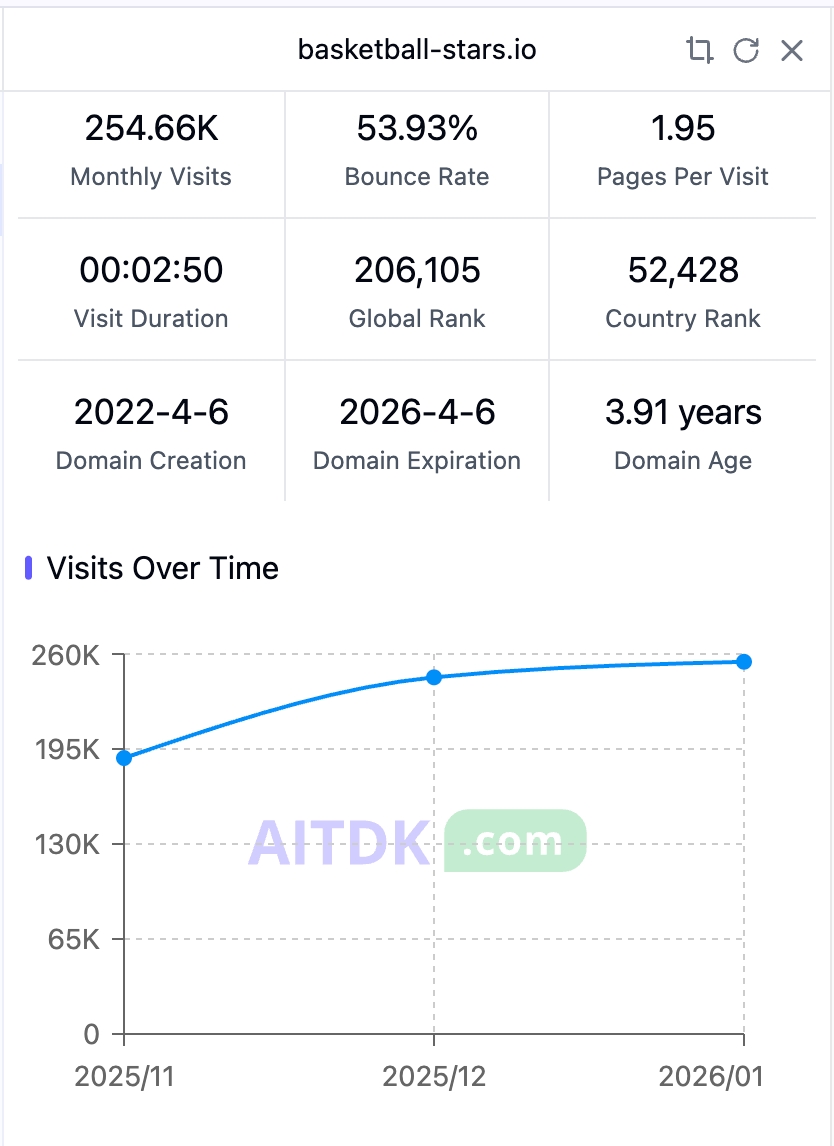
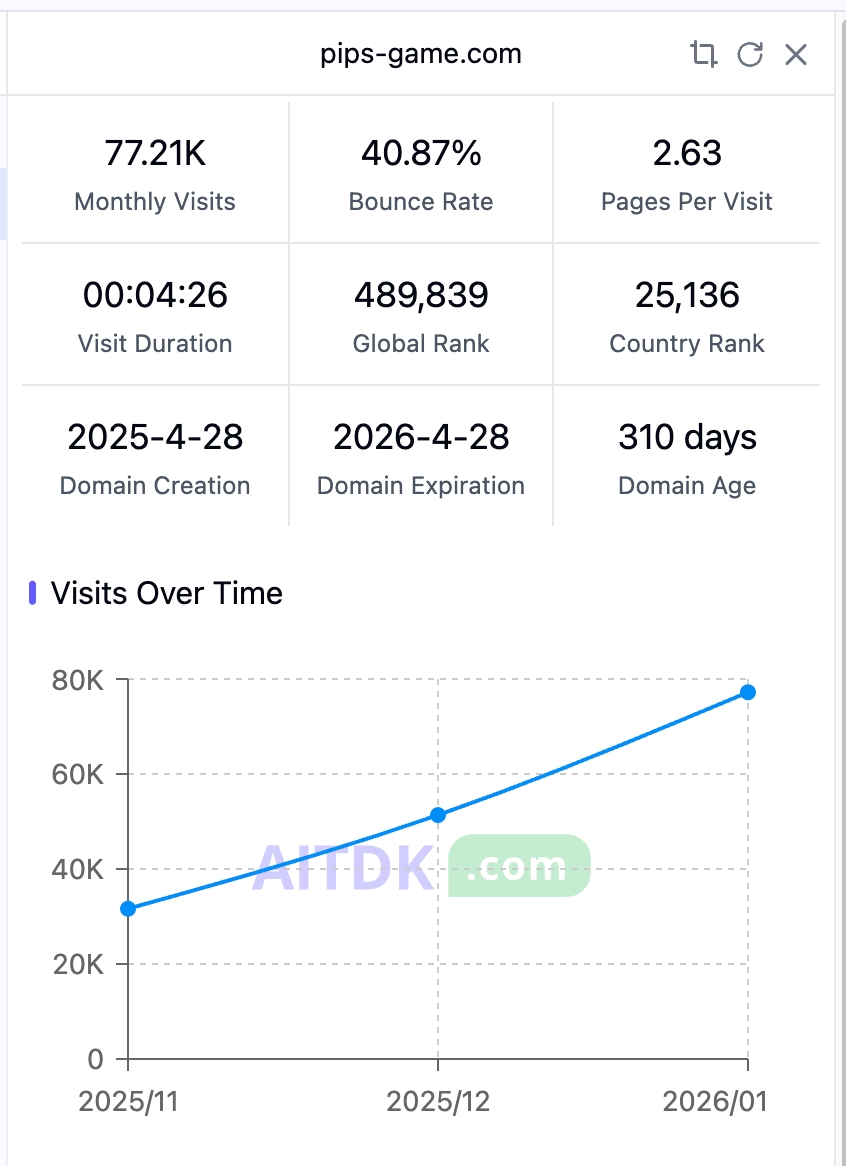
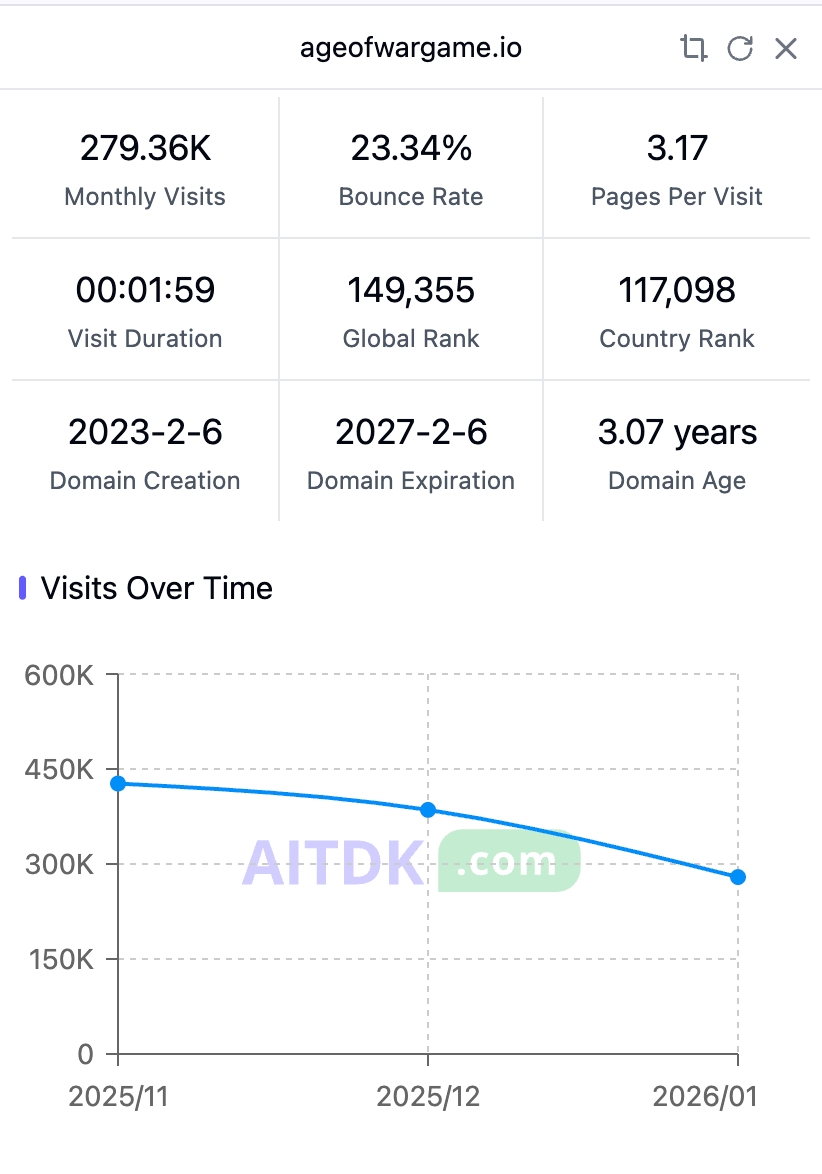
What this suggests:
- Sites from different launch years (2022/2023/2025) can all reach meaningful traffic.
- Newer sites still have room, if execution speed is high.
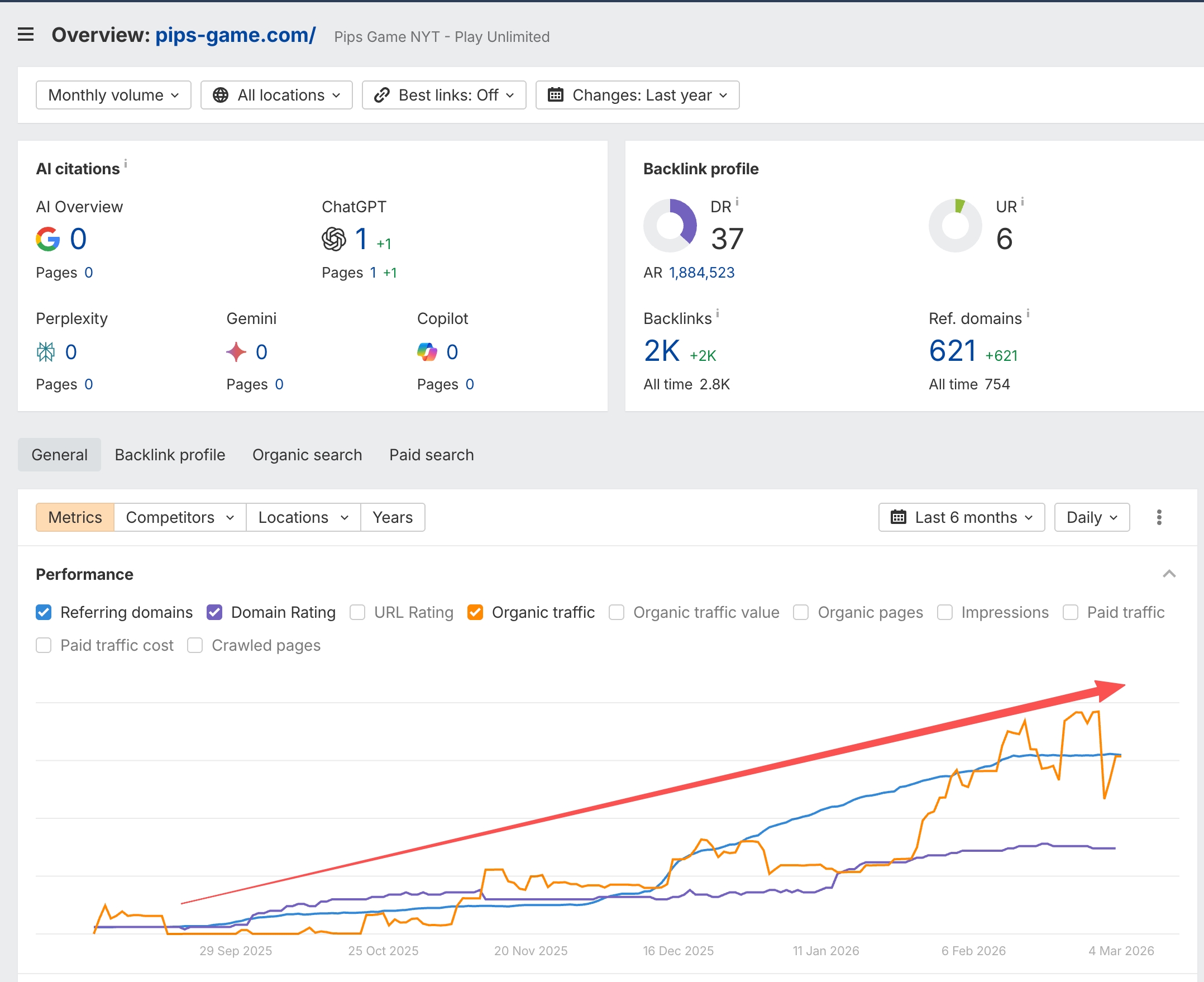
2) pips-game signal: backlinks up, traffic up
For pips-game.com, the shared observation is clear: as backlink coverage increased, organic traffic also climbed.
And the site did not rely on ultra-premium links at the start:
- referring domains kept growing;
- DR stayed moderate (not “elite” level);
- which often implies heavy use of scalable, low-cost sources early (including blog-comment links).
3) Why many sites rise first, then decline
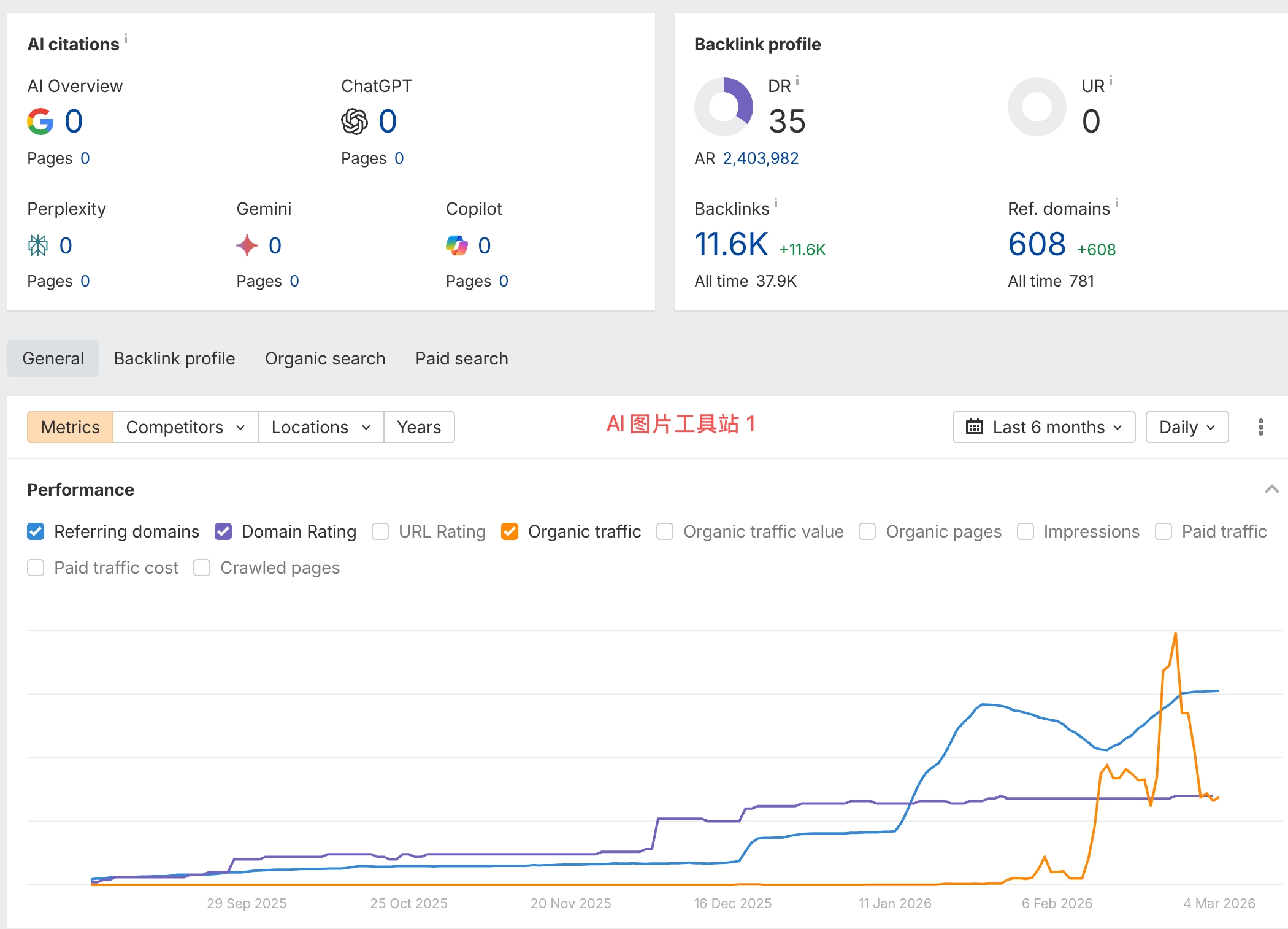
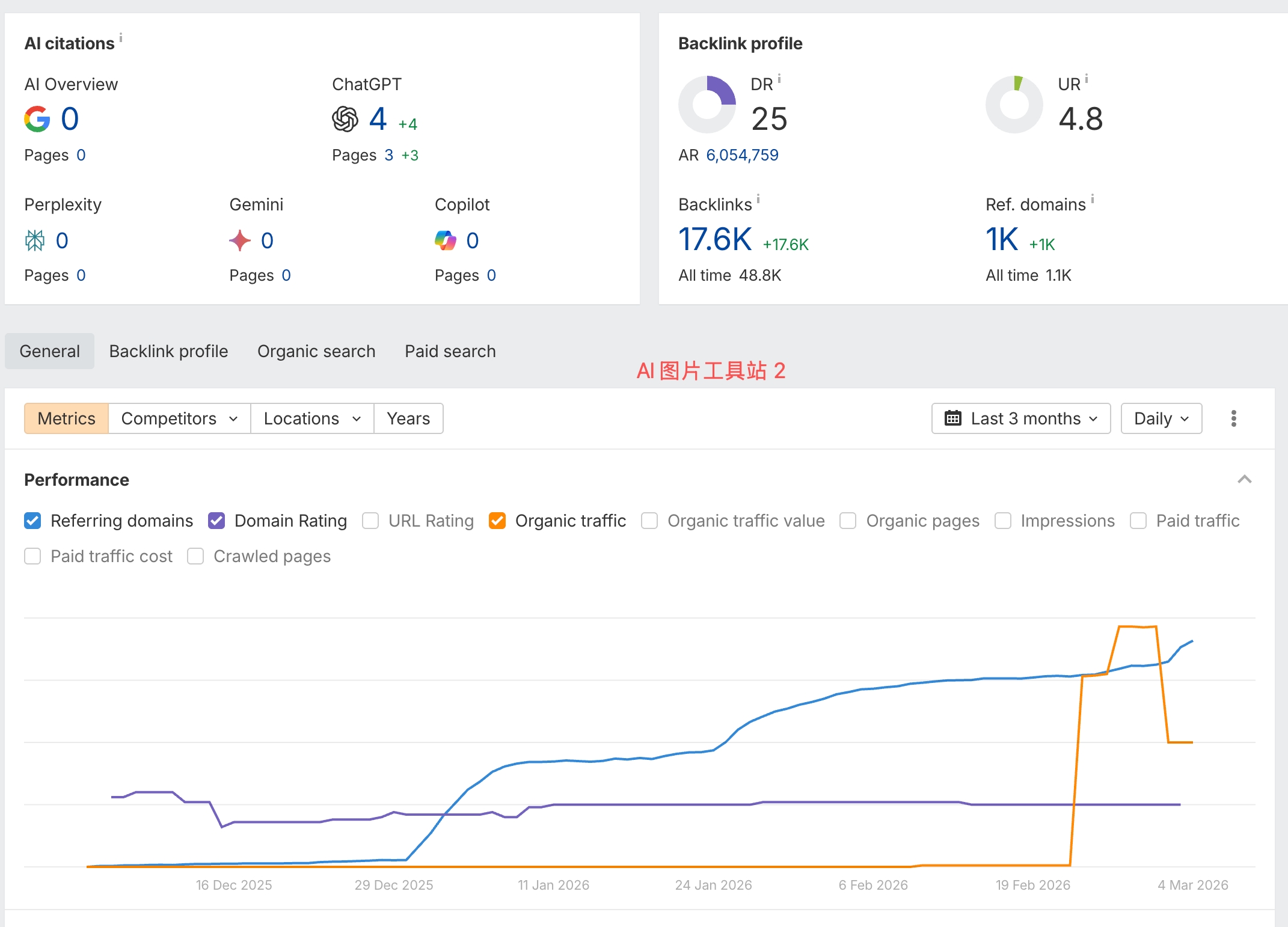
Two AI image-tool sites showed a common pattern:
- early phase: more links, more organic traffic;
- later phase: traffic begins to decline.
The reason is straightforward:
- in low-competition stages, low-authority links can rank through scale;
- once competitors start buying stronger links, rankings shift;
- if your link quality structure does not upgrade, traffic drops.
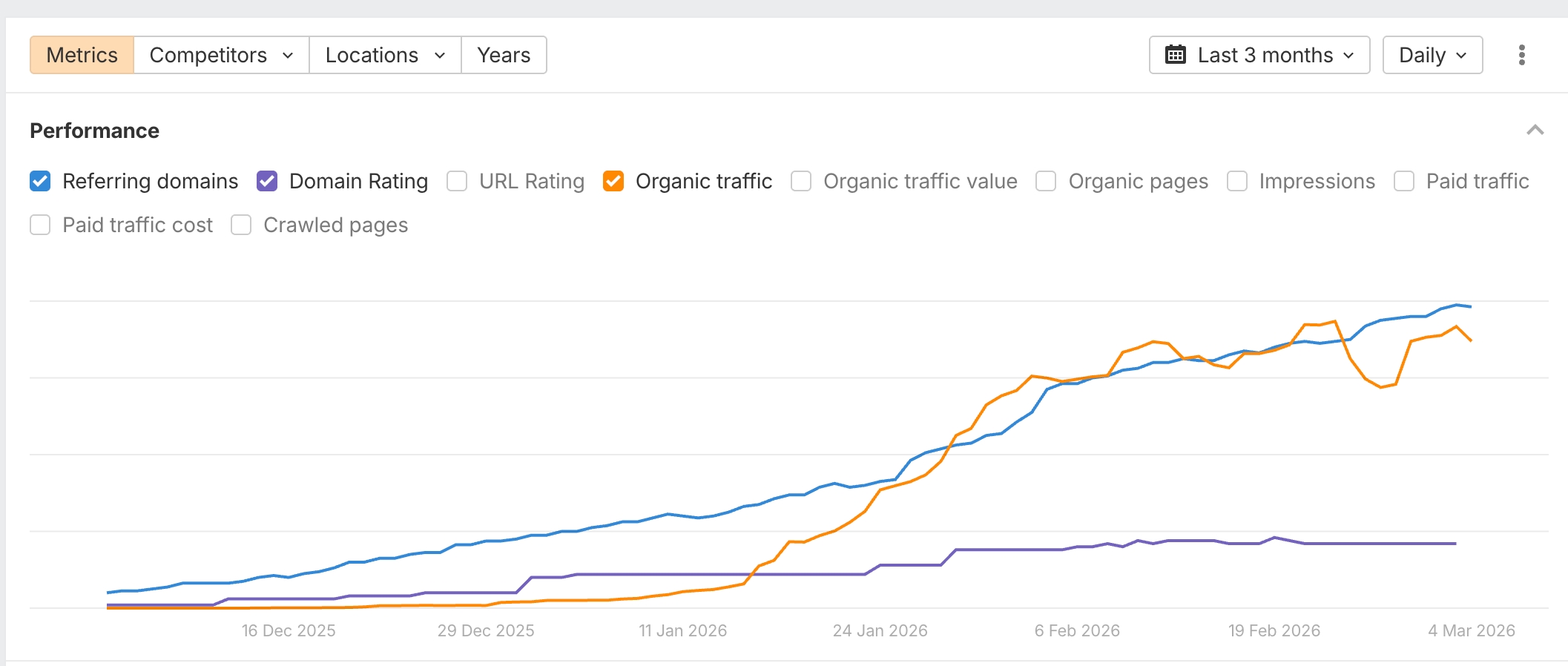
4) New keyword + new site execution rhythm: the “3 fast” model
Fast #1: launch fast
Get indexed and validated quickly.
Fast #2: build links fast
Use fast-acquisition sources at the beginning (directories, blog comments, etc.) to establish coverage.
Fast #3: upgrade quality fast
As soon as traffic signal appears, add higher-quality backlinks quickly. At this stage, paid links are often amplification—not waste.
5) Practical checklist for higher-quality backlinks
A useful screening checklist:
- Decent DR;
- The linking site has real organic traffic;
- The site can rank on relevant queries;
- Outbound-link footprint is not overly diluted;
- Inbound-domain profile is healthy and broad enough.
Budget tip:
- Under the same budget, a balanced bundle of cost-effective links often outperforms buying just a few very expensive links.
- Backlink growth is a portfolio problem: domain breadth + quality tiers.
6) A small but useful UX detail: “flashlight” hero effect
One site used a first-screen “flashlight” interaction: the area around the cursor lights up.
When done lightly (without hurting performance/readability), this can improve interaction and dwell time.

Final summary
The most valuable lesson here is not “blog-comment backlinks solve everything.”
It is that backlink strategy must be phase-based:
- Early phase: prioritize speed and scalable coverage;
- Competitive phase: prioritize quality and authority upgrades;
- Ongoing: monitor competition and switch strategy in time.
In growth work, performance drops are often not because your execution is bad—sometimes the competitive intensity has changed.